Trailer Education

Common trailer types, the component areas a service request usually touches, what to gather before you call, and where to go next for the work itself.

Trailer education

Know Your Trailer Before You Request Service

Service scope varies by trailer, components, condition, location, and requested work. Knowing what you are towing, and roughly which parts of it need attention, is what turns a vague call into a request GoRigworx can confirm.

This page covers the trailer types commonly seen, the component areas a service request usually touches, what to have ready before you call, and where to find current Clean Truck Check requirements.

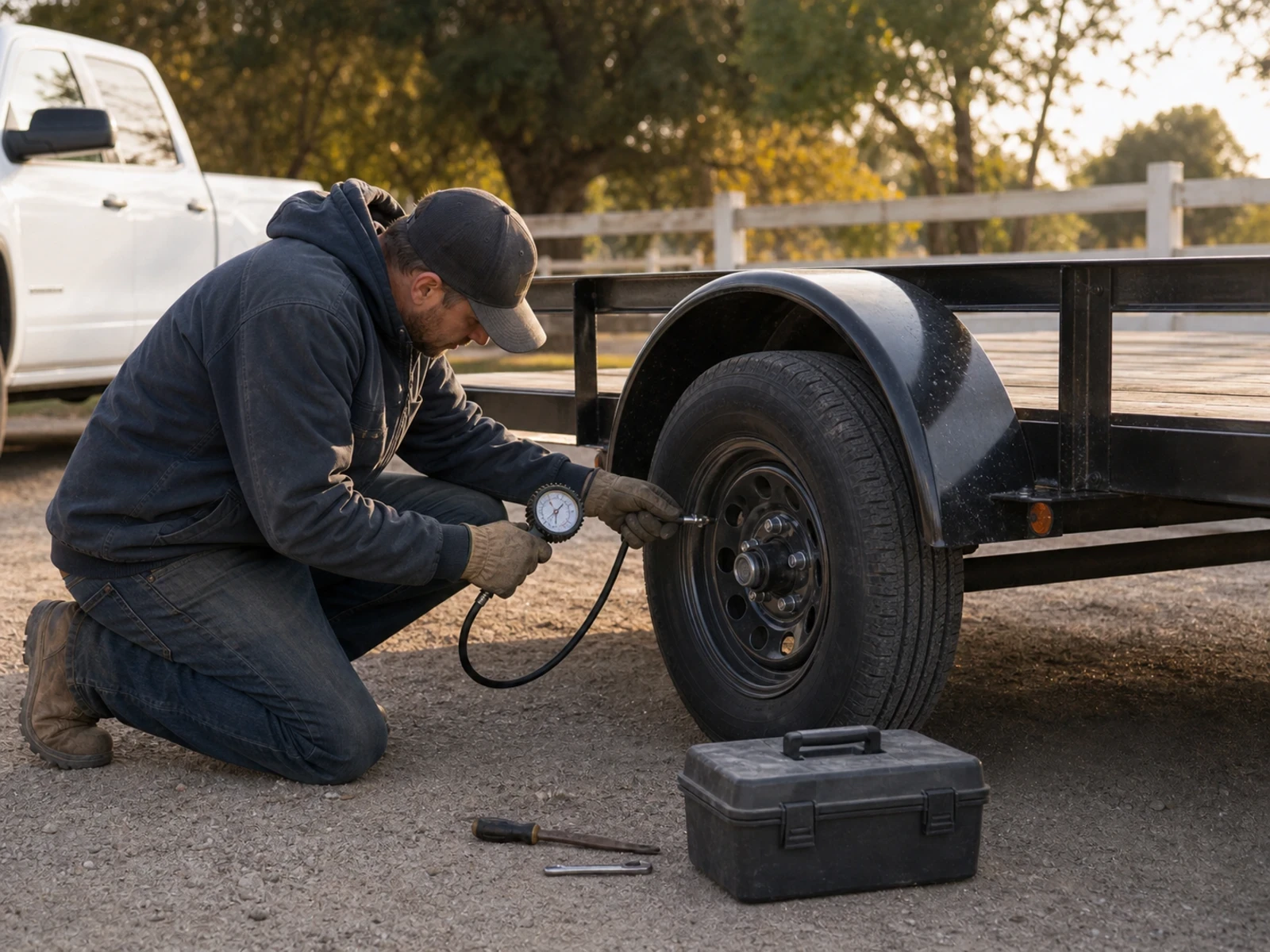
Technician checking tire pressure on a utility trailer at a customer property

What we service

Explore Trailer Types

Five categories that cover most of what comes through. No two trailers of a type are identical, so treat these as places to start rather than a list of what yours needs.

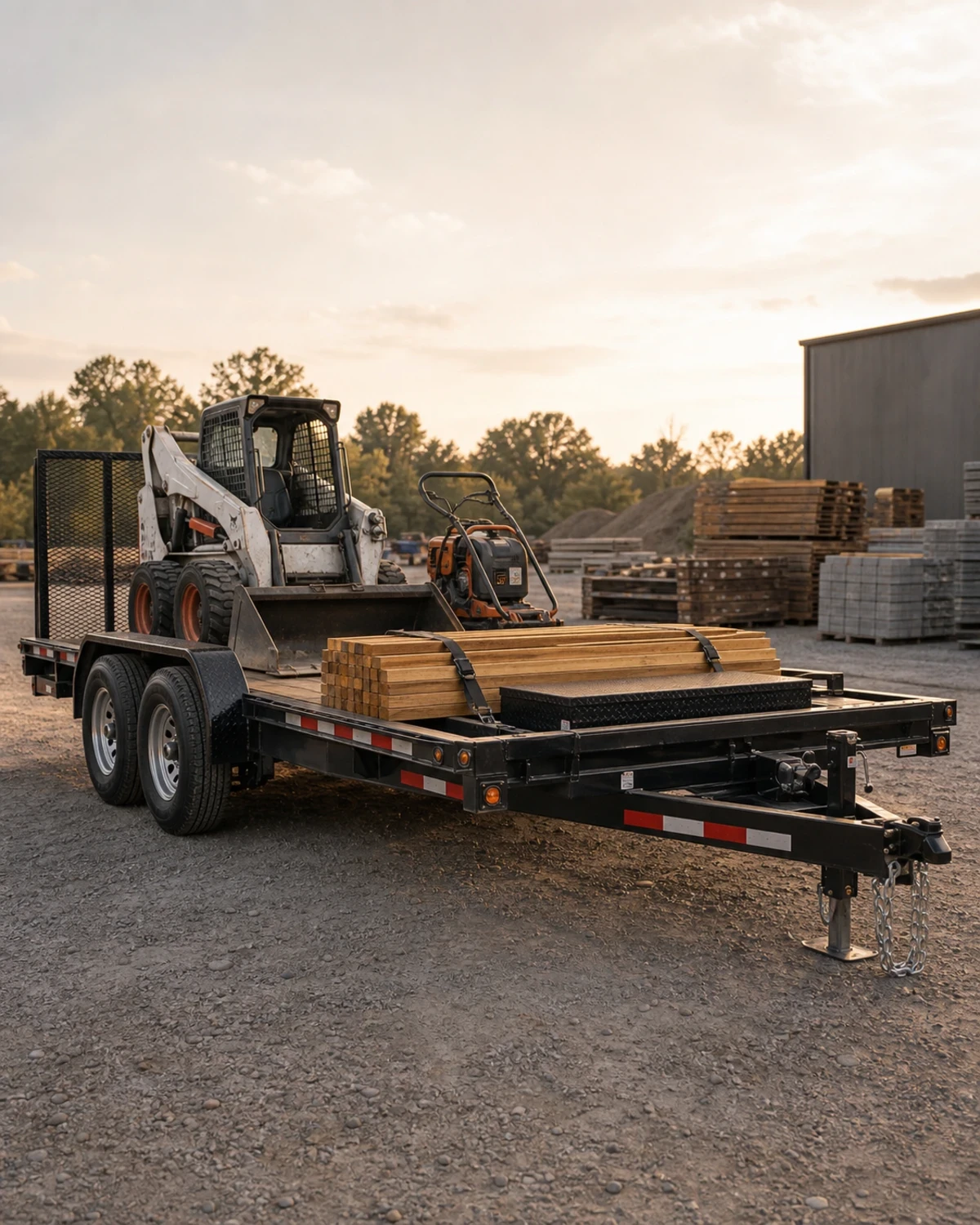
Construction equipment and materials secured on a utility trailer

Construction & Utility

Open-deck and enclosed trailers that move equipment, materials, and tools between jobsites. Loads change often, and the running gear underneath does most of the work.

Common service concerns may include: Bearings, Brakes, Axles, Suspension, Tires, Lighting, Couplers.
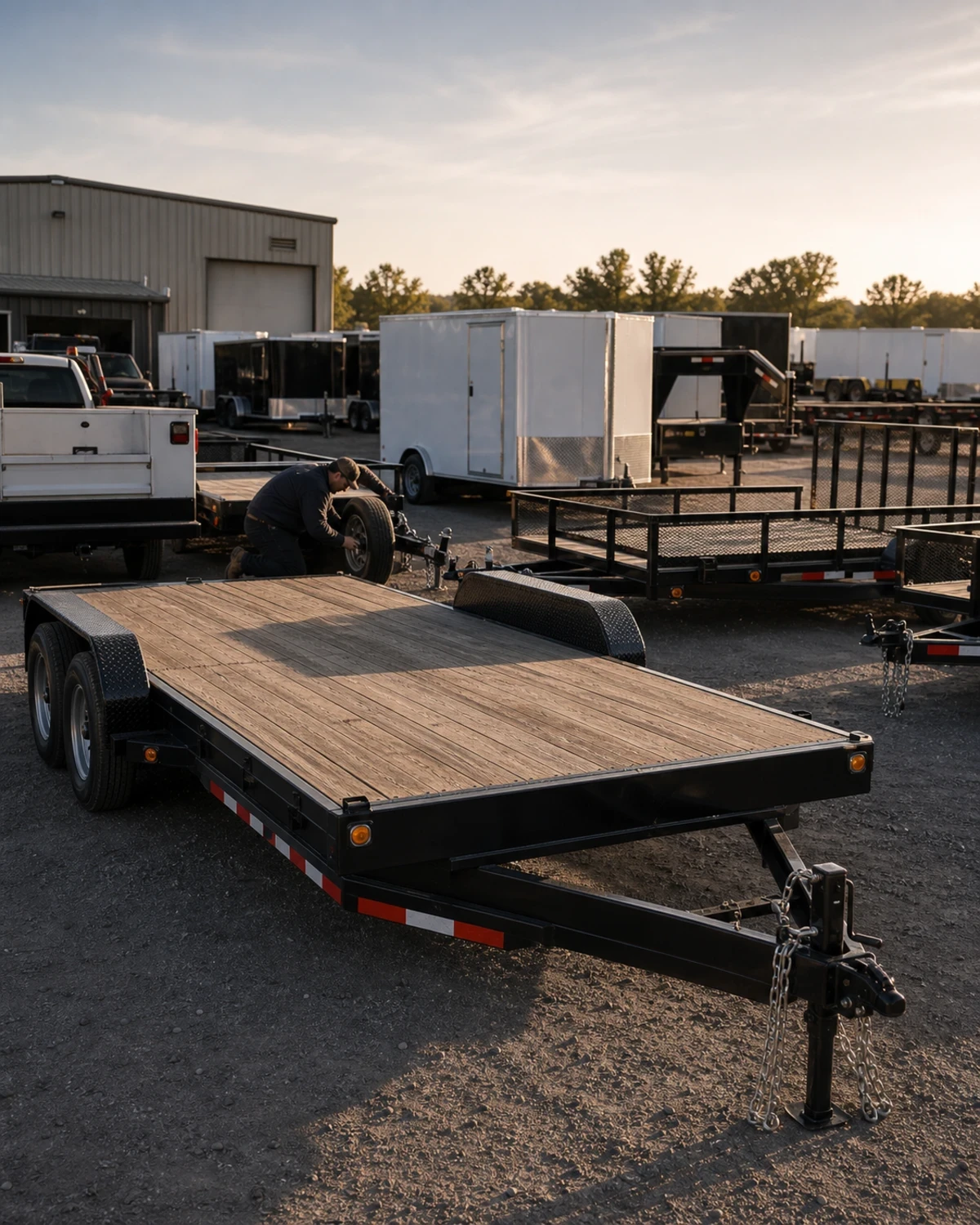
Commercial trailers organized in a fleet service yard

Commercial Fleet

Trailers that work as part of a fleet, where one unit out of service affects the schedule for the rest. Requests often cover more than one trailer parked in the same place.

Common service concerns may include: Bearings & brakes, Electrical & lighting, Scheduled maintenance.

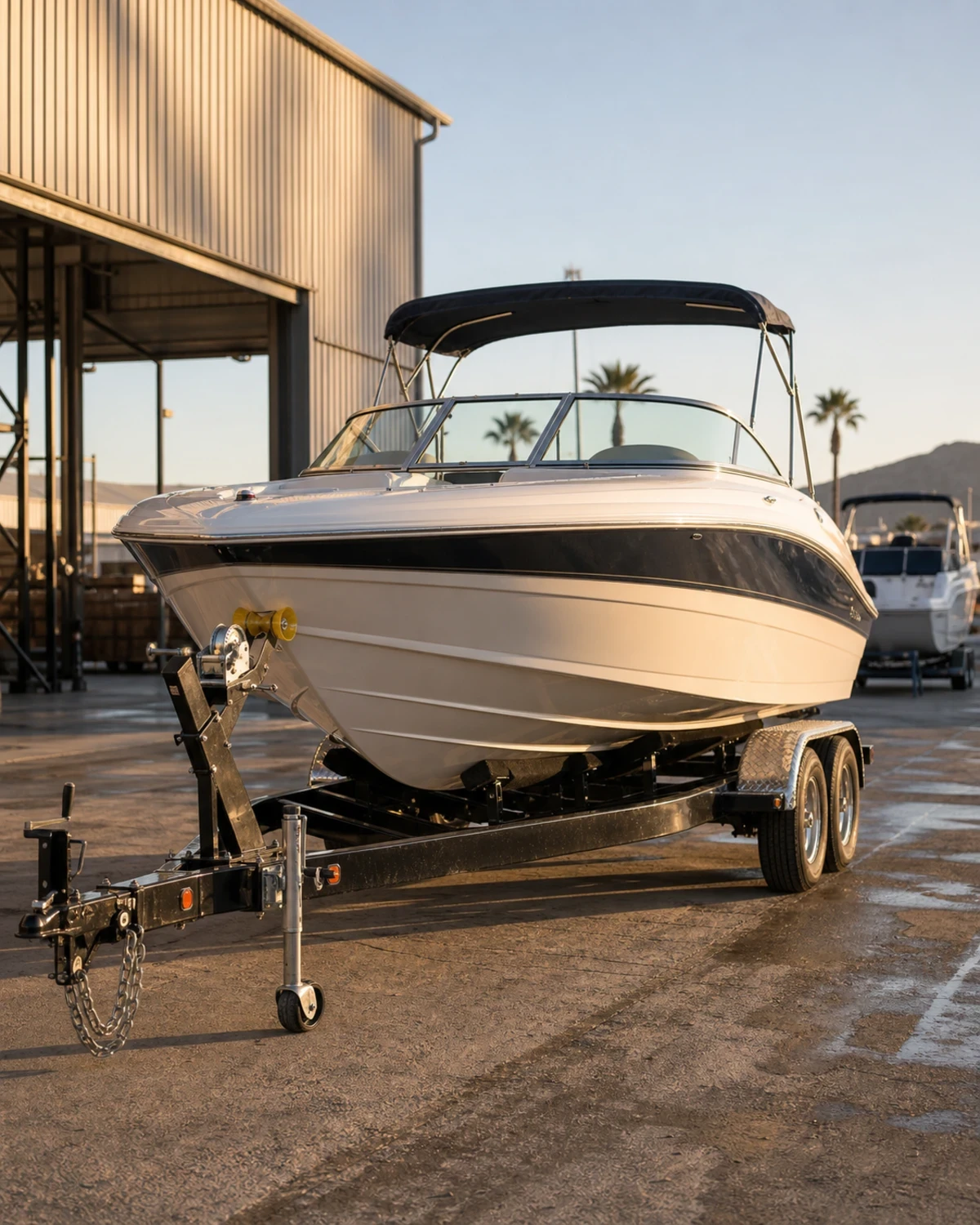
Recreational boat supported on a tandem-axle trailer

Boat Trailers

Single- and tandem-axle trailers that spend their working life around ramps and water. Wheel-end components, wiring, and hardware are the usual places to start looking.

Common service concerns may include: Bearings, Tires, Lighting, Hardware, Suspension.

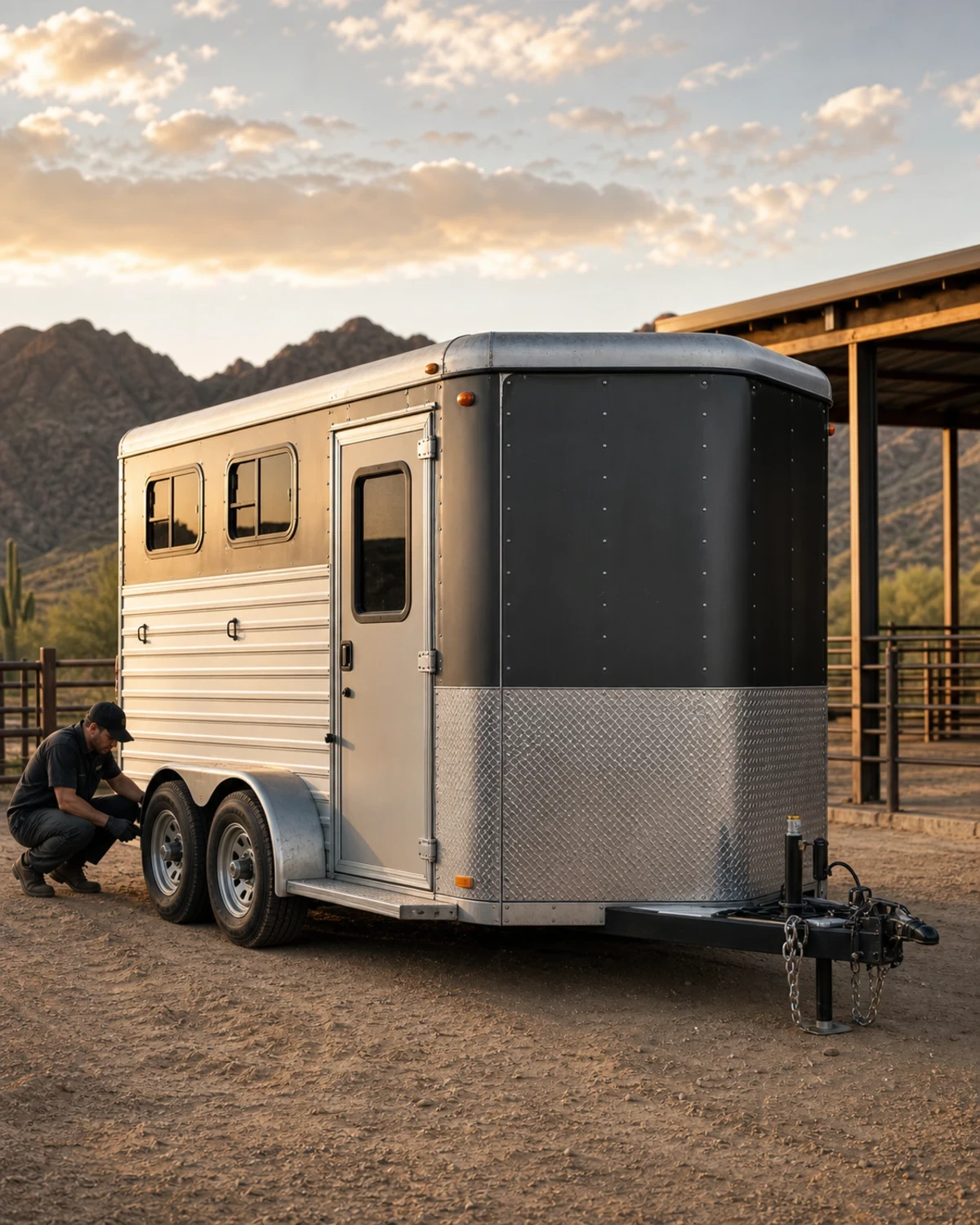
Technician inspecting a horse trailer at a ranch

Horse Trailers

Bumper-pull and gooseneck trailers used to move livestock. Requests commonly cover running gear, braking components, and lighting.

Common service concerns may include: Tires, Bearings, Brakes, Lighting, Suspension, Trailer hardware.

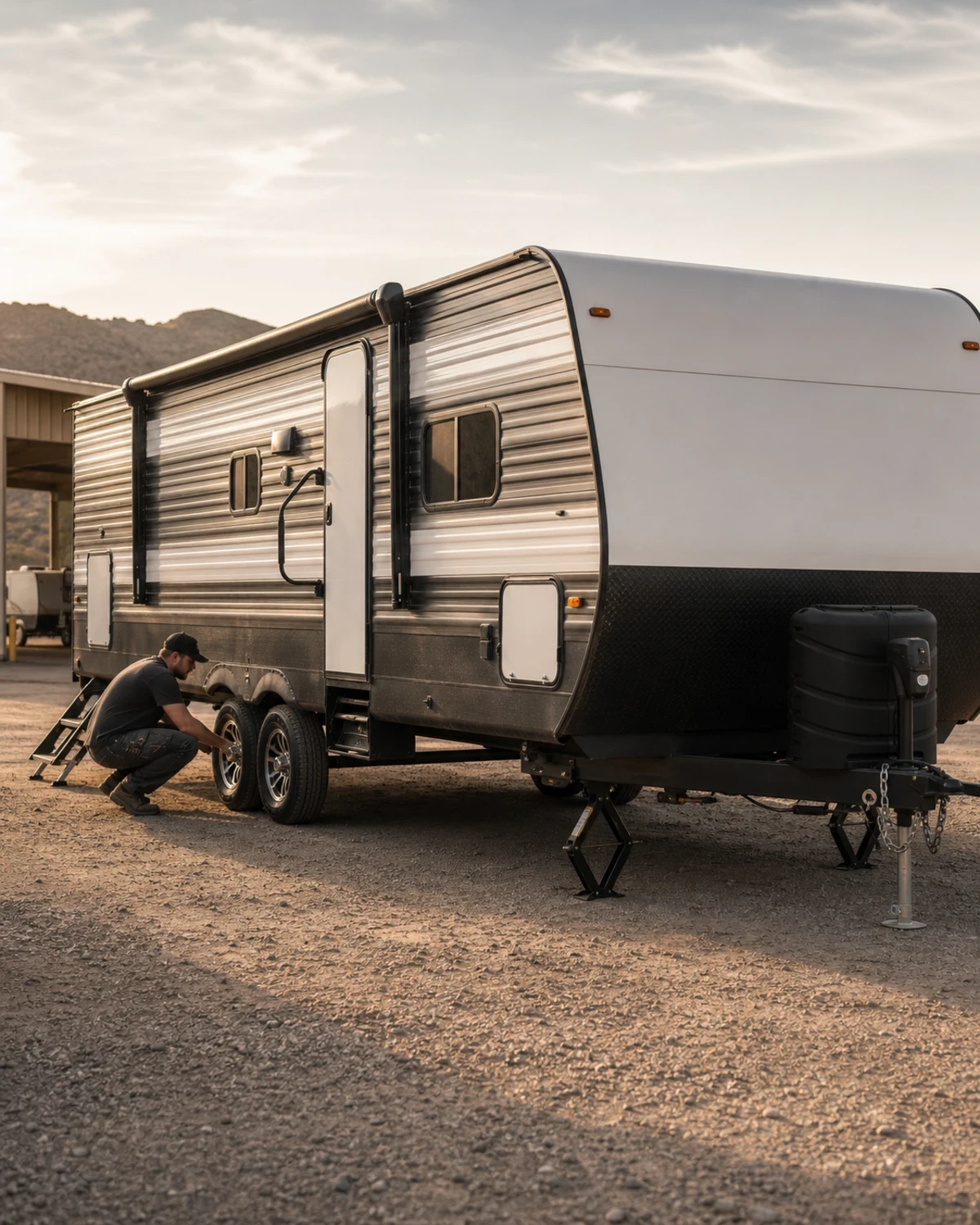
Technician inspecting a recreational travel trailer

Recreational Trailers

Travel trailers and towables that may sit parked between trips. For the components underneath, time standing still can matter as much as miles towed.

Common service concerns may include: Bearings, Tires, Brakes, Lighting, Suspension, Couplers.

Components

Common Trailer Service & Maintenance Areas

The six groups a mobile trailer request usually falls into. Frame and structural work is handled separately under Trailer Welding & Fabrication.

Bearings, Brakes & Axles

The running gear that carries the load and slows it down. Wheel bearings, brake components, and axle hardware are common service items on towed equipment.

Mobile Trailer Repair
Electrical & Lighting

Trailer wiring, connectors, and lamps. Faults here are often intermittent, which is why describing when the problem appears helps as much as describing what it looks like.

Mobile Trailer Repair
Suspension, Hitches & Couplers

The parts that join the trailer to the tow vehicle and govern how it rides. Springs, hangers, hitches, and couplers all sit in this group.

Mobile Trailer Repair
Tires, Wheels & Trailer Hardware

Tires and wheels, along with the doors, ramps, gates, latches, and fasteners that get used on every trip.

Mobile Trailer Repair
Preventive Maintenance & Safety Checks

Pre-tow checks and maintenance on common trailer safety and reliability items, arranged before a problem forces the schedule.

Preventive Maintenance
Trailer Safety & DOT Readiness

Inspection and repair support for common trailer equipment and safety items. This is not a government inspection, a certification, or an assurance of compliance.

Trailer Inspections

Before you call

What to Have Ready Before Requesting Mobile Service

Four things the request asks for. Having them to hand is what lets availability and scope be confirmed on the first call rather than the second.

  1. The service needed, if you know it

    The request form lists the supported service groups. If none of them obviously fits, describe what the trailer is doing instead and the scope will be reviewed.

  2. The trailer and the problem, in the message

    The type, rough size, axle count, what you noticed, when it started, and whether the trailer is still towable. The form has one message box for all of it.

  3. The service location

    The address or yard where the trailer sits. Mobile service happens where the equipment already is.

  4. Whether the location is safe and accessible

    Level ground, room to work around the trailer, and access for a service vehicle. If you are not sure, describe the site and it will be reviewed before anything is scheduled.

Request Mobile Service

Regulatory resources

Clean Truck Check Resources

Clean Truck Check requirements vary by vehicle and can change. Two different things are worth keeping apart: where the requirement comes from, and who performs the work.

The requirement

CARB and CTC-VIS

The California Air Resources Board publishes the current Clean Truck Check guidance, and a specific vehicle's current requirement is confirmed through CTC-VIS. Use the current guidance when determining what applies to a vehicle.

Current CARB Clean Truck Check guidance

The service

Mobile Clean Truck Check

GoRigworx performs on-site Clean Truck Check work for supported heavy-duty vehicles. Applicability and test type are confirmed before scheduling. GoRigworx is an independent service provider and is not endorsed by CARB, and no test guarantees compliance or a passing result.

Mobile Clean Truck Check service

FAQ

Frequently Asked Questions

Construction and utility, commercial fleet, boat, horse, and recreational trailers are all common, and each is described above. Supported work is confirmed by trailer, location, and job before scheduling.

The service needed, the service location, and a short description of the trailer and the issue. The checklist above covers each one, including whether the location is safe and accessible for mobile work.

Service may be provided at a yard, jobsite, or driveway when access, location, and the requested work are suitable. Availability varies by location and job; call (619) 333-1447 to confirm.

Bearings, brakes and axles; electrical and lighting; suspension, hitches and couplers; tires, wheels and trailer hardware; preventive maintenance and safety checks; and trailer safety and DOT-readiness items. Each group is described above with the service that covers it.

No. The information on this page is intended as general education and should not be considered a determination that a specific trailer is safe or road-ready.

This service is not presented as a government inspection, certification, or assurance of roadworthiness or compliance.

Clean Truck Check requirements can vary depending on the vehicle. Review the current CARB Clean Truck Check guidance and confirm the vehicle’s current requirements through CTC-VIS.

Because regulations and vehicle requirements can change, use the current CARB guidance when determining what applies to a specific vehicle.

Request Mobile Service

Share the service you need and where the trailer is. GoRigworx will follow up by phone.